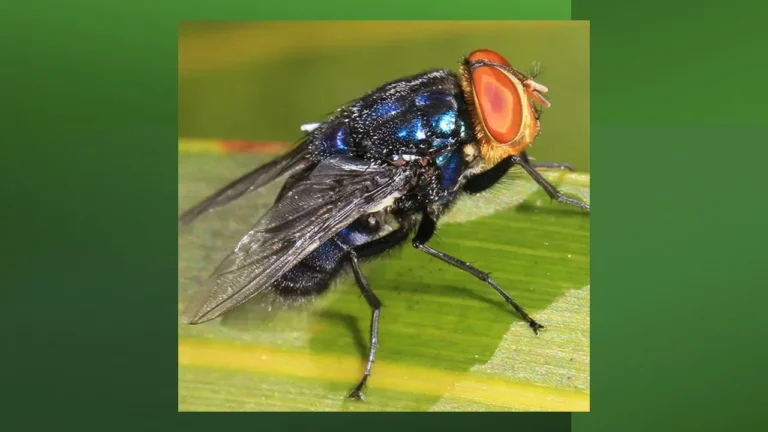
How Veterinarians Treat Screwworm Infestations in Dogs and Cats
Hearing that your pet may have a screwworm infestation can be unsettling, especially with recent reports that have brought […]

Diabetes in cats is very common, especially in middle-aged and senior feline companions. While hearing that your kitty has diabetes can feel overwhelming at first, it’s important to realize that this isn’t a death sentence. With proper veterinary care and monitoring, many diabetic cats go on to live long, comfortable, and happy lives. At Richey Animal Clinic, our Deer Park, TX veterinary clinic helps cat owners understand feline diabetes, treatment options, and the daily care that helps diabetic cats thrive.
Diabetes can be hard to spot at first because the early signs often appear slowly. You might notice your cat drinking more water, losing weight despite eating well, or using the litter box more often. Many people think these changes are just part of getting older, and sometimes they are. However, they can also be signs of a health problem that needs a vet’s attention.
There are several ways to manage diabetes in cats today. treatment might include oral medication, insulin injections, dietary changes, and regular checkups. It ultimately will depend on your cat’s needs.
Diabetes mellitus occurs when the body cannot properly regulate blood sugar levels. Normally, the pancreas produces insulin, which is a hormone that helps move sugar from the bloodstream into the body’s cells to be used for energy.
In diabetic cats, one of two things typically happens. The body may not produce enough insulin, or the body’s cells may become resistant to insulin. Either situation causes glucose, or sugar, to build up in the bloodstream instead of being used properly by the body.
Over time, high blood sugar levels can affect multiple organ systems and lead to serious complications if left untreated. Cats are actually more likely to develop a form of diabetes that resembles Type 2 diabetes in humans, where insulin resistance plays a major role.
Cats are true carnivores, so their bodies are built to process protein very well. This is one reason why diet is so important when managing your cat’s diabetes.
Several factors may contribute to feline diabetes, and in many cases, multiple risk factors are present simultaneously. Some cats may have a genetic predisposition, while others develop diabetes due to lifestyle or underlying health conditions.
Common contributing factors include:
Obesity is a major risk factor for diabetes in cats. We know, chubby cats are cute, but those extra pounds are dangerous! Extra body fat can make it harder for the body to use insulin, leading to higher blood sugar over time. Cats that live indoors and don’t get much exercise are more likely to gain weight and develop diabetes.
Diabetes is most often found in middle-aged and older cats, but it can happen at any age. Male cats seem to get diabetes a bit more often than females.
The signs of diabetes in cats can be different depending on how far the disease has progressed. Often, these signs appear slowly and become easier to notice over several weeks or months.
One of the earliest signs: many owners notice that their cat is drinking more water. You might find yourself refilling the water bowl more often or see your cat drinking from sinks, showers, or other unusual spots in cats, including:
Many diabetic cats lose weight even when they eat the same amount, or even more, than usual. This is because their bodies can’t use sugar for energy, so they start breaking down fat and muscle instead.
Some diabetic cats get weak in their back legs and may walk with their ankles closer to the ground. Vets call this a plantigrade stance, and it can look odd or unsteady to owners.
Another sign to watch for is changes in litter box habits. Your cat might start peeing outside the box because they are producing more urine and can’t always reach the box in time.
If diabetes isn’t treated, it can cause serious and even life-threatening problems. High blood sugar affects the whole body and puts stress on many organs.
Untreated diabetes may lead to:
Diabetic ketoacidosis, or DKA, is one of the most serious problems that can happen with feline diabetes. DKA occurs when the body breaks down fat too quickly for energy, leading to harmful acid buildup in the blood.
Cats with diabetic ketoacidosis may develop:
DKA is considered a veterinary emergency and requires immediate medical care. Cats experiencing this condition are often critically ill and require hospitalization and intensive treatment.
Veterinarians diagnose diabetes using a combination of clinical signs, bloodwork, and urinalysis. Elevated blood glucose levels are a primary finding in diabetic cats.
Diagnosing diabetes in cats can be a bit harder than in dogs because stress can temporarily raise a cat’s blood sugar. Some cats develop “stress hyperglycemia” at the vet, so that extra tests may be needed.
Diagnostic testing commonly includes:
Your veterinarian may also recommend additional blood tests to evaluate organ function and identify other health conditions that could affect diabetic management.
Treatment for feline diabetes is customized for each kitty. Your vet will assess your cat’s blood sugar, appetite, weight, overall health, and age to develop the best plan. Many diabetic cats do well with either oral medicine or insulin shots. Some cats respond well to pills, while others need insulin injections to keep their blood sugar steady.
Keep in mind that the goal of treatment is more than just lowering blood sugar. Vets also want to improve your cat’s quality of life, reduce symptoms, help your cat maintain a healthy weight, and prevent serious problems.
Some diabetic cats may be candidates for oral diabetic medication instead of insulin injections. One oral medication veterinarians may prescribe is Bexacat.
These tablets help lower blood sugar and may let some cats avoid insulin shots. Many owners find giving pills less stressful than giving injections.
However, not all diabetic cats can safely take oral medicine. Your vet will check carefully, since some cats still need insulin or might have problems with diabetic pills.
No matter which treatment you use, regular monitoring is very important. Your vet will probably suggest follow-up tests to monitor your cat’s condition.
Many diabetic cats require insulin injections for proper blood sugar control. One commonly prescribed veterinary insulin for cats is ProZinc, which is specifically designed for veterinary use.
Many cat owners feel nervous about giving injections at first. The good news is that most people find insulin shots are much easier than they thought. The needles are tiny, and most cats hardly notice them. There’s a learning curve, but don’t assume that you’ll end up in the ER after giving Fluffy her injection. Once you’ve got it down, this only takes a few seconds a day!
Insulin is usually given under the skin once or twice a day, depending on your cat’s plan. Your vet will show you exactly how to give the shots safely and comfortably at home.
It’s important to know that ProZinc uses U-40 insulin, so you need to use U-40 syringes.
Human insulin is usually dispensed in U-100 syringes, which differ from U-40 syringes. Using the wrong syringe can cause dangerous mistakes, so always use the syringes your vet recommends.
Diet plays a major role in diabetic management for many cats. Veterinarians commonly recommend high-protein, low-carbohydrate diets because cats naturally process protein more efficiently than carbohydrates.
Losing weight can help overweight cats control their diabetes. Sometimes, healthy weight loss along with treatment can even help a diabetic cat go into remission.
Cats need to lose weight slowly, as rapid weight loss can cause other health issues. Your vet can help you set safe calorie goals and feeding plans for your cat.
Indoor cats can also benefit from more activity. Puzzle feeders, climbing trees, toys, and playtime with you can help keep them moving and mentally active.
Yes, some diabetic cats can go into remission, especially if they are diagnosed early and get the right treatment. Remission means their blood sugar returns to normal, and they may no longer need insulin or other medicines.
Cats that are diagnosed early have the best chance of going into remission. Keeping a healthy weight, feeding the right diet, and sticking to treatment are all important.
Remission isn’t guaranteed, so it’s still important to keep monitoring your cat even if they seem stable. Some cats may need more treatment later if the diabetes comes back.
One encouraging fact about feline diabetes is that many cats respond extremely well once treatment begins. Owners often notice improvements in energy, appetite, grooming habits, and personality after blood sugar is better controlled.
Successful diabetic management requires regular monitoring and communication with your veterinary team. Monitoring helps veterinarians adjust treatment plans and identify problems before they become severe.
Monitoring may include:
Many owners become very skilled at recognizing subtle changes in their feline pal’s habits over time. Keeping notes about appetite, water intake, litter box activity, and energy levels can be very helpful during follow-up appointments.
The main goal is to keep your cat’s blood sugar steady and help them enjoy a happy, healthy life.
Low blood sugar, also called hypoglycemia, can occur if insulin levels become too high. This condition can become dangerous very quickly and requires immediate attention.
Signs of hypoglycemia may include:
If your cat seems weak, confused, or suddenly collapses, call your vet right away. Your vet team can tell you what to do and help get your cat emergency care quickly.
Cornell College of Veterinary Medicine also has a very thorough, well-informed piece on diabetes in cats on its website. The aptly-named felinediabetes.com also has lots of helpful info.
Do all diabetic cats need insulin?
No, not all diabetic cats require insulin therapy. Some cats may be candidates for oral diabetic medications depending on their overall health and blood sugar levels. Your veterinarian will determine the best treatment plan for your cat.
What should diabetic cats eat?
Many diabetic cats benefit from high-protein, low-carbohydrate diets. Diet plays an important role in blood sugar control and weight management. Your veterinarian can recommend the best nutritional plan for your feline companion.
Is diabetes in cats an emergency?
Diabetes itself is manageable, but complications like diabetic ketoacidosis can become life-threatening emergencies. If your cat develops vomiting, severe lethargy, weakness, or collapse, immediate veterinary care is strongly recommended.
What are the first signs of diabetes in cats?
Early signs of diabetes in cats commonly include increased thirst, increased urination, weight loss, and changes in appetite. Many owners also notice lethargy or changes in litter box habits. A veterinary examination and bloodwork are important for diagnosis.
Can diabetic cats live normal lives?
Yes, many diabetic cats live long and comfortable lives with proper veterinary care and monitoring. Treatment may include oral medication, insulin therapy, dietary management, and routine blood sugar testing. (It’s worth noting that, despite the myths, cats only get one life.)
Diabetes in cats can feel intimidating at first, but many feline companions live happy and comfortable lives with proper treatment and monitoring. At Richey Animal Clinic, our Deer Park, TX veterinary clinic works closely with cat owners to create personalized diabetic management plans for every furry friend.
If your feline pal is drinking more water, losing weight, urinating more often, or acting lethargic, it is important to schedule a veterinary examination. Whether you are searching online for a “vet near me” or looking for a trusted veterinary clinic to help manage feline diabetes, our team is here to help. Contact Richey Animal Clinic today to schedule an appointment for your kitty.
This blog is intended for informational purposes only. Always consult your veterinarian for medical advice, diagnosis, and treatment recommendations for your pet, and follow your veterinary team’s guidance for the safest care plan.
Are you curious to learn more about Richey Animal Clinic? Go to our Services page for a great overview. We offer standard services, such as Wellness and Vaccinations, Allergies/Dermatology, and Critical Care, as well as Diagnostics and more.
Hearing that your pet may have a screwworm infestation can be unsettling, especially with recent reports that have brought […]
Allergies can be tough for both pets and their families. They are quite common in dogs, unfortunately. At Richey […]
Allergies in cats are more common than many pet owners realize. While dogs often get the spotlight when it […]
Parvovirus, often called “parvo,” is one of the most concerning diseases for both dog owners and veterinarians. This serious […]
It is one of the scariest moments as a pet owner. Something feels off with your furry friend, but […]
Living in Texas means enjoying warm weather and outdoor living, but it also means preparing for severe storms and […]