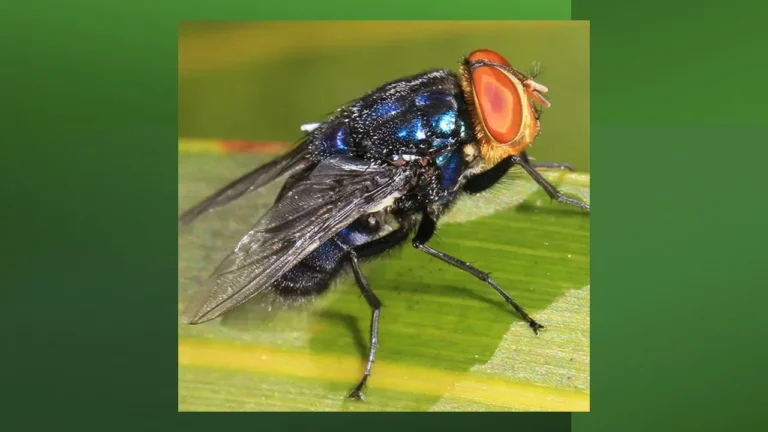
How Veterinarians Treat Screwworm Infestations in Dogs and Cats
Hearing that your pet may have a screwworm infestation can be unsettling, especially with recent reports that have brought […]

Allergies can be tough for both pets and their families. They are quite common in dogs, unfortunately. At Richey Animal Clinic in Deer Park, TX, we often help pups with ongoing itching, skin problems, ear infections, and allergy flare-ups that make daily life uncomfortable.
A lot of people think allergies just mean a bit of itching, but they can be much more than that. Dogs might spend hours licking their paws, chewing their feet, rubbing on furniture, or waking up at night because they feel uncomfortable. If allergies are not treated, they can cause skin infections, sore ears, hair loss, and ongoing irritation that gets harder to manage. Some cases can cause even more serious problems.
Luckily, we now have several ways to help manage allergies. With options like allergy pills, injections, flea control, and special diets, many dogs feel much better once we find and treat the main cause.
Allergies happen when a dog’s immune system reacts too strongly to things that are usually harmless, called allergens. Instead of ignoring them, the body responds with inflammation, itching, and irritation.
Dogs can be allergic to all sorts of things in their environment: fleas, certain foods, leaves, pollen, mold, grass, substances, fibers, or even a mix of these. Some dogs have symptoms that get worse during certain times of the year, while others have problems all year long.
Common allergens in dogs include:
Fido can also be allergic to his shampoo, or even your carpet! Environmental allergies are especially common in dogs and may worsen during spring and fall, when pollen levels are highest. Some dogs are also sensitive to indoor allergens, such as dust mites, so symptoms persist year-round.
Many dogs develop allergy symptoms slowly over time. Your dog might have mild itching for years before the symptoms suddenly get much worse.
Dogs with allergies often show problems with their skin, ears, and paws. Some signs may seem small at first, but if the allergy isn’t treated, the inflammation usually gets worse.
Common signs of allergies in dogs include:
Many dogs with allergies lick or chew their paws a lot, which can make the skin red and sore. If your dog has light fur, you might see rust-colored stains from all the licking.
Ear infections are another sign that allergies could be the problem. Your four-legged friend might shake their head a lot, scratch their ears, or have smelly, red ear canals.
Hot spots are also common in allergic dogs. These sore, inflamed patches of skin can show up quickly and spread fast if not treated.
Contact your vet immediately if you notice any of these symptoms.
Many people are surprised to learn their dog can have flea allergies even if they never see any fleas. Flea allergy dermatitis is one of the most common skin allergies vets see in dogs. For some dogs, even one flea bite can cause intense itching.
Dogs with flea allergies commonly develop irritation around:
It’s very important to use flea prevention regularly if your dog has skin problems. Missing just one month can sometimes cause a big flare-up in dogs who are very sensitive.
Fleas can live indoors all year. Many people think fleas are only a summer problem, but warm homes let fleas keep reproducing even in cooler months. They can also hide deep in the fur, jump off quickly, or be groomed away before you notice them.
Some dogs are allergic or sensitive to certain foods, especially some proteins. Food allergies can cause problems with the skin, ears, and even the digestive system.
Dogs with food allergies may experience:
Food allergies usually cause symptoms all year, not just in certain seasons. To find out if your dog has a food allergy, your vet may suggest a special elimination diet. This won’t be much fun for Fido, who will be put on a very bland diet, but it’s important to find out what he is reacting to.
This means feeding your dog a special diet for several weeks and avoiding all treats, flavored medicines, and table scraps. It takes patience, but this process can help find out which foods are causing problems for your dog.
Allergies usually last a lifetime and can get worse if not managed. When dogs keep scratching, chewing, and licking, their skin gets damaged and inflamed.
Once the skin becomes irritated, bacteria and yeast can overgrow more easily. This leads to secondary infections that worsen itching.
This creates a frustrating cycle involving:
Many owners see their dogs get stuck in this cycle during allergy flare-ups. The more the skin hurts, the more the dog scratches, which causes even more damage.
Chronic itching can also affect behavior and quality of life. Some dogs become restless, irritable, or unable to relax comfortably because they are constantly focused on itching.
There isn’t one test that finds every type of allergy in dogs. Vets usually use a mix of exams, your dog’s history, and different tests to figure out what’s causing the problem.
Your veterinarian may recommend:
Several medical conditions can mimic allergies, including parasites, mange, hormonal diseases, fungal infections, and bacterial skin infections. That is one reason veterinary evaluation is important before beginning treatment.
Vets often use skin cytology to look for yeast and bacteria on the skin or in the ears. This helps us see if infections are making your dog uncomfortable.
Every dog reacts differently to allergy treatments. Some get better quickly with simple medicine, while others need long-term care with several types of treatment.
Treatment depends on factors including:
Common treatment options may include:
The goal of treatment is to reduce itching, improve skin health, and stop infections from coming back. Treatment options are always offered case-by-case, after the pet has been thoroughly evaluated. Ask your vet for more information.
Some dogs respond very well to allergy pills that help reduce itching and inflammation. These medications may be especially helpful for mild to moderate allergies or seasonal flare-ups.
Daily allergy pills may help dogs experiencing:
Vets choose medications based on your dog’s age, health history, and how bad the symptoms are. Some medicines target itching, while others help lower inflammation.
It’s important to give allergy medicine regularly. If you miss doses or stop too soon, the symptoms can come back quickly.
Some dogs do better with long-lasting allergy injections. These shots can help dogs with severe itching, ongoing allergies, or those who are hard to medicate at home.
Many owners like injections because they don’t have to give medicine every day. Depending on the dog and the medicine, these shots can help for several weeks at a time.
Dogs that may benefit from allergy injections include those with:
Your vet can help you decide if injections, pills, or a mix of both is best for your dog.
Not all allergy medicines are safe or right for every dog. Some dogs need to be treated for other infections first before allergy medicine will work well. Keep in mind that treatment sometimes involves a bit of trial and error. What works extremely well for one pooch may not work well for another. Breed, lifestyle, age, environment, and underlying medical conditions can all influence treatment success.
Also, some over-the-counter products aren’t safe for every dog or could cause problems with other health issues. Your vet can help you find the safest and best treatment plan.
Managing allergies often means making changes over time. Your dog might need different treatments in certain seasons or during flare-ups.
You should contact your veterinarian if your canine buddy develops:
Treating allergies early can help prevent long-term skin problems and repeat infections. Many dogs feel much better once their allergies are under control.
Some owners are surprised to see major improvements in personality and energy after treatment begins. Dogs dealing with chronic itching often become more playful, relaxed, and affectionate once their discomfort improves.
The Purdue College of Veterinary Medicine has helpful information about pet allergies on its website. Groomers University also has a helpful article on grooming a dog with allergies.
The most common allergies in dogs include environmental, flea, and food allergies. Pollen, grass, dust mites, fleas, and certain proteins are frequent allergy triggers.
Dogs often lick their paws due to allergies, skin irritation, infections, or inflammation. A veterinarian should evaluate persistent paw licking because chronic licking can lead to infections and skin damage.
Yes, some dogs experience allergies year-round. Environmental allergens, such as dust mites, and food allergies commonly cause year-round symptoms rather than seasonal flare-ups.
Veterinary allergy injections are commonly used to help manage severe itching and chronic allergies in dogs. Your veterinarian can determine whether injections are appropriate based on your dog’s health and symptoms.
Veterinarians diagnose allergies using physical examinations, skin testing, flea evaluations, food trials, and other diagnostic methods. Additional conditions such as infections or parasites may also need to be ruled out.
Allergies in dogs can be frustrating, but many pets with allergies experience significant improvement with proper veterinary care and long-term management. At Richey Animal Clinic, our Deer Park, TX veterinary clinic works closely with pet owners to identify allergy triggers and develop treatment plans tailored to each furry friend’s needs.
If your canine companion is constantly scratching, chewing paws, shaking the ears, or developing recurring skin issues, our veterinary team is here to help. Whether you are searching online for a trusted “vet near me” or looking for an experienced animal hospital for dog allergy treatment, contact Richey Animal Clinic today to schedule an appointment for your furry pal.
This blog is intended for informational purposes only. Always consult your veterinarian for medical advice, diagnosis, and treatment recommendations for your pet, and carefully follow your veterinary team’s guidance for ongoing care and allergy management.
Are you curious to learn more about Richey Animal Clinic? Go to our Services page for a great overview. We offer standard services, such as Wellness and Vaccinations, and Allergies/Dermatology, as well as Critical Care, Diagnostics, and more.
Hearing that your pet may have a screwworm infestation can be unsettling, especially with recent reports that have brought […]
Allergies in cats are more common than many pet owners realize. While dogs often get the spotlight when it […]
Diabetes in cats is very common, especially in middle-aged and senior feline companions. While hearing that your kitty has […]
Parvovirus, often called “parvo,” is one of the most concerning diseases for both dog owners and veterinarians. This serious […]
It is one of the scariest moments as a pet owner. Something feels off with your furry friend, but […]
Living in Texas means enjoying warm weather and outdoor living, but it also means preparing for severe storms and […]