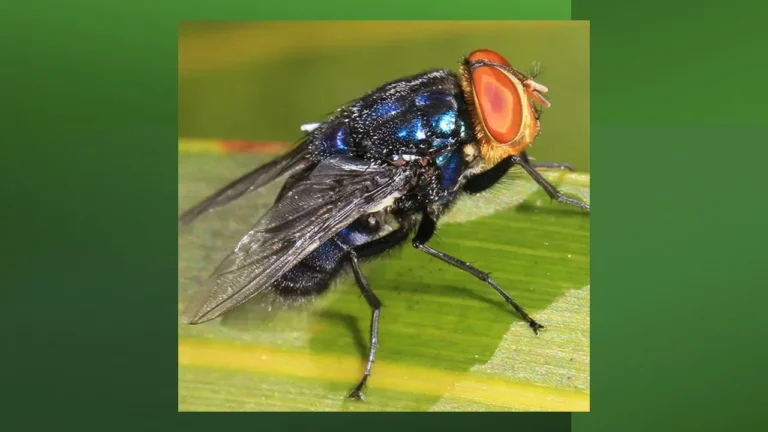
How Veterinarians Treat Screwworm Infestations in Dogs and Cats
Hearing that your pet may have a screwworm infestation can be unsettling, especially with recent reports that have brought […]

At Richey Animal Clinic, your trusted veterinary clinic in Pasadena, TXS, we know that with age comes wisdom—and a few extra health considerations for your four-legged buddy. Fido may not chase the tennis ball quite as fast as he used to, but his heart is just as full. That’s why we’re here to support you with proven senior dog health strategies that keep him comfortable, happy, and thriving through his golden years.
This blog is packed with practical advice, including a comprehensive elderly dog care guide, a handy aging dog health checklist, and several easy-to-follow senior dog wellness tips you can start using today. Whether your pup is slowing down a bit or facing age-related conditions, our vets are here to help every step of the way.
Most dogs enter their senior stage between 7 and 10 years of age, depending on their breed and size. Large breeds tend to age faster, while smaller dogs often have longer lifespans.
Some signs your pup is entering his golden years include:
At Richey Animal Clinic, our vet clinic team knows exactly what to look for and how to adjust care as your furry bestie ages gracefully.
Just like people, dogs experience natural changes with age. Here are some conditions we monitor closely as part of your senior dog health plan:
Routine screenings and wellness exams at our animal hospital can catch these issues early and help you manage them effectively.
Fun fact: Dogs have about 300 million olfactory receptors in their noses. Even in their senior years, their sniffer is still their superpower!
Taking care of an older pup requires small but impactful adjustments. Here are a few expert-backed senior dog wellness tips we recommend:
Our veterinarians can recommend specific products or therapies to support your senior pup’s needs.
Senior dogs often need fewer calories but more nutrients to maintain muscle and support joint health. Talk to your vet about switching to a senior-specific formula. These may include:
Ask your vet for specific recommendations. Avoid excessive fat or filler ingredients that can lead to weight gain. Our pet clinic team can help you tailor your dog’s diet based on his activity level, body condition, and health concerns.
Just like humans, aging dogs may experience emotional changes. Your once independent pup may become clingier, or vice versa. Some dogs develop canine cognitive dysfunction (similar to dementia), which can lead to:
These changes can be confusing for both of you. Our vets offer behavioral support and medications that can help reduce stress and maintain a good quality of life.
Make your home safer and more comfortable for your elderly canine companion with a few easy upgrades:
Every change you make—from upgraded water bowls to easier potty access—helps reinforce your commitment to your pup’s well-being.
Our team at Richey Animal Clinic builds lasting relationships with pets as they grow. We understand your canine buddy’s health history and can recognize subtle changes before they become major concerns.
Regular wellness visits include:
Together, we’ll customize an aging dog health checklist that fits Fido’s unique lifestyle and keeps you informed every step of the way.
At Richey Animal Clinic, your compassionate veterinary clinic in Pasadena, TX, we’re honored to care for your pup through every life stage. Supporting senior dog health is about maximizing comfort, mobility, and joy—and we’re here to walk that path with you.
Whether your pooch is starting to show signs of aging or you’re simply planning ahead, call our experienced vets today to schedule a wellness exam and receive expert guidance.
This blog is intended for informational purposes only. Please consult your veterinarian for a customized care plan that’s right for your pet.
Hearing that your pet may have a screwworm infestation can be unsettling, especially with recent reports that have brought […]
Allergies can be tough for both pets and their families. They are quite common in dogs, unfortunately. At Richey […]
Allergies in cats are more common than many pet owners realize. While dogs often get the spotlight when it […]
Diabetes in cats is very common, especially in middle-aged and senior feline companions. While hearing that your kitty has […]
Parvovirus, often called “parvo,” is one of the most concerning diseases for both dog owners and veterinarians. This serious […]
It is one of the scariest moments as a pet owner. Something feels off with your furry friend, but […]