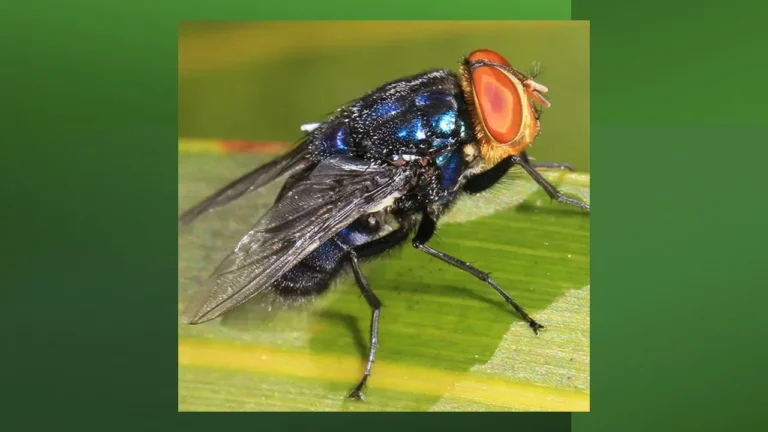
How Veterinarians Treat Screwworm Infestations in Dogs and Cats
Hearing that your pet may have a screwworm infestation can be unsettling, especially with recent reports that have brought […]

Have you ever stood in the pet food aisle or looked at your furry friend’s bowl and wondered, “Am I feeding them the right thing?” At Richey Animal Clinic, your Deer Park, TX,veterinary clinic, we talk with pet owners every day about pet nutrition mistakes and how small feeding habits can have a big impact on long-term health. What you feed your dog or cat matters, but how you feed them matters just as much.
Pet nutrition mistakes are more common than you might think. Even the most loving pet parents can get tripped up. We hear questions all the time, like ‘What should I feed my pet?’ or ‘How do I avoid those sneaky dog diet mistakes?’ The good news is, with a few simple tips and a little guidance, you can help your furry pal stay healthy, happy, and full of pep, all while keeping things easy for your daily routine.
Good nutrition is really the backbone of your pet’s health. What your furry pal eats affects everything from those adorable zoomies in the living room to the shine on their coat, their digestion, and even their mood. If their diet is off-balance or their feeding routine is all over the place, trouble can sneak up before you know it.
A healthy, balanced diet for pets helps:
We see it every day at our Deer Park clinic: pets with steady, thoughtful feeding routines are usually the ones bouncing around with energy and looking their best.
Even the most devoted pet parents can slip into habits that aren’t the best for their furry family members. Most of these mistakes come from a place of love, but they can still cause problems down the road.
Some of the most common pet nutrition mistakes include:
Spotting these habits is the first step to helping your pet live their happiest, healthiest life.
One of the most frequent questions we hear is, “What should I feed my pet?” The answer depends on your pet’s age, breed, activity level, and health status.
A good place to start is with a complete and balanced diet that fits your pet’s needs. Puppies and kittens need different fuel than their grown-up or senior pals, and what works for your dog might not be right for your cat (no matter how much they try to swap bowls!).
Your veterinarian can help you sort through the options and find what’s best for your furry friend. At Richey Animal Clinic, we get to know your pet’s lifestyle and make down-to-earth recommendations that fit your family.
Feeding the right amount is just as important as picking the right food. Overfeeding is one of the most common slip-ups we see, especially with those big puppy-dog eyes begging for seconds. Too much food can lead to extra pounds and health problems down the line.
Portion control helps:
It’s easy to overdo it, especially when your pet gives you that ‘I’m starving’ look (even if dinner was five minutes ago). Measuring meals and keeping a steady routine can really help keep your pet in tip-top shape.
Treats are a fun way to spoil your furry bestie (and let’s be honest, who can resist those faces?), but moderation is key. Too many goodies can sneak in extra calories before you know it.
When giving treats:
Treats are the cherry on top of a balanced diet, not a substitute for real meals.
Cats are a whole different ballgame when it comes to nutrition. Your feline overlord (yes, we know who’s really in charge) might be less active, especially if they’re an indoor kitty, so it’s important to keep an eye on their diet.
Helpful cat nutrition tips include:
For indoor cats, keeping them healthy often means finding the right balance between what goes in the bowl and how much they move around (or nap in sunbeams).
Your pet’s nutritional needs change as they grow. What’s perfect for a bouncy puppy or kitten might not be the best fit once they’re a wise old soul.
Consider:
Tweaking your pet’s diet as they get older is a big part of keeping them healthy and happy for the long haul.
Water is just as important as what’s in the food bowl. Staying hydrated helps with everything from digestion to keeping cool and feeling good.
Make sure your pet:
Here in sunny Deer Park, TX, staying hydrated is extra important, especially for those pets who love to play outside or go on adventures.
Sometimes the signs of poor nutrition are sneaky. Keeping an eye on your pet’s looks and behavior can help you catch any issues before they become bigger problems.
Look for:
If you spot any of these changes, it’s a good idea to check in with your vet and take a closer look at your pet’s diet.
If you are unsure about your pet’s diet or suspect that nutrition may be affecting their health, it is always a good idea to talk to your vet.
At Richey Animal Clinic, your Deer Park, TX,veterinary clinic, we understand that feeding your pet can feel overwhelming. That is why we offer guidance tailored to your pet’s needs. We also do our best to offer same-day appointments when possible so that you can get answers quickly.
PetMD has a good guide on canine nutrition. Chewy has an article on upset stomachs in dogs, which you can read here.
Common mistakes include overfeeding, giving too many treats, feeding table scraps, and failing to adjust the diet based on age or activity level. These habits can affect your pet’s health over time.
A balanced diet that matches your pet’s age, size, and lifestyle is ideal. Your veterinarian can help you choose the right food and feeding plan.
Most pets do well with scheduled meals once or twice a day. Consistency helps support digestion and overall health.
Treats are not bad when given in moderation. Too many treats can lead to weight gain and an imbalance in your pet’s diet.
Healthy pets typically have a shiny coat, stable weight, good energy levels, and normal digestion. Changes in these areas may indicate a need to adjust their diet.
Avoiding pet nutrition mistakes is one of the best ways to support your furry friend’s long-term health. At Richey Animal Clinic, your Deer Park, TX,veterinary clinic, we are here to help you make informed decisions about your pet’s diet.
If you have been searching for a trusted vet near me, our team is ready to help. We are proud to be a family-operated animal hospital that treats every pet with care and understanding, and we work hard to accommodate same-day visits whenever possible.
Call today to schedule an appointment and give your pet the healthy start they deserve.
This blog is intended for informational purposes only. Always consult your veterinarian for proper medical advice, diagnosis, and treatment for your pet, and follow their recommendations.
If you would like to learn more about our Deer Park, TX,animal clinic, head over to our Services page, where you’ll find detailed information about the services we offer. These include standard basics, such as Wellness and Vaccinations, and Nutrition/Weight Management, as well as more specialized offerings, like Critical Care.
Hearing that your pet may have a screwworm infestation can be unsettling, especially with recent reports that have brought […]
Allergies can be tough for both pets and their families. They are quite common in dogs, unfortunately. At Richey […]
Allergies in cats are more common than many pet owners realize. While dogs often get the spotlight when it […]
Diabetes in cats is very common, especially in middle-aged and senior feline companions. While hearing that your kitty has […]
Parvovirus, often called “parvo,” is one of the most concerning diseases for both dog owners and veterinarians. This serious […]
It is one of the scariest moments as a pet owner. Something feels off with your furry friend, but […]