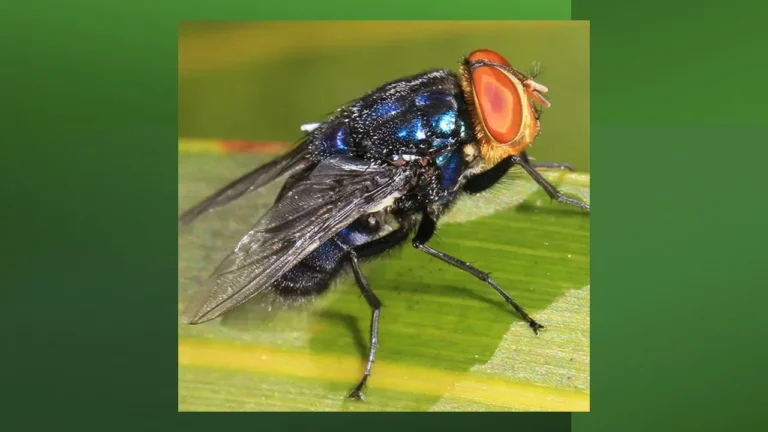
How Veterinarians Treat Screwworm Infestations in Dogs and Cats
Hearing that your pet may have a screwworm infestation can be unsettling, especially with recent reports that have brought […]

Have you ever had the feeling that your furry friend just isn’t acting like themselves, but you cannot quite figure out why? At Richey Animal Clinic, your Deer Park, TX,veterinary clinic, we often help pet owners recognize the signs of pain in pets before those issues become more serious. Because pets cannot tell us what hurts, it is up to you to notice the small changes that may signal discomfort.
Learning to spot the signs of pain in your pet means you can jump in early and get them the help they need. Lots of folks ask us how to tell if their dog or cat is hurting, and the truth is, our furry pals can be pretty sneaky about hiding it. Catching those subtle signs can make a world of difference for your best friend’s comfort and happiness.
One of the trickiest things about spotting pain in pets is that our animal friends are hardwired to hide it. In the wild, showing weakness could land them at the bottom of the food chain, so they’ve gotten pretty good at pretending everything’s fine—even when it’s not.
Because of this, your canine companion or feline friend may continue acting “normal” even when something is wrong. By the time pain becomes obvious, the condition may already be advanced.
That’s why it’s so important to keep an eye out for those little, everyday changes in your pet’s behavior.
Pain can look a little different from pet to pet, but there are some classic signs that many of our furry friends show when they’re not feeling their best.
You may notice:
These little changes are your pet’s way of waving a tiny flag and saying, “Hey, something’s not quite right here!”
Dogs can be a bit more dramatic than their feline roommates, so sometimes it’s easier to spot when your pup isn’t feeling great. Still, even our canine pals can be pretty subtle about it.
Watch your pup for:
If your pooch is showing any of these signs, it’s a good idea to give us a call and let us take a look.
Cats are especially good at hiding pain. Your feline overlord may not show obvious signs, which can make it harder to recognize when something is wrong.
Cat pain signs may include:
Even small behavioral changes can be important. If your feline companion seems different, trust your instincts.
Pain often presents as behavioral changes rather than physical symptoms. Your pet’s personality and routine can give you important clues.
Be aware of:
If you notice these changes, your pet might be trying to tell you they’re not feeling their best. That’s your cue to step in.
Along with behavioral changes, there are also physical signs that can tip you off that your pet is hurting. These can include:
When you see both physical and behavioral changes, it’s a pretty good sign your furry pal could use a checkup.
Figuring out when your pet needs pain relief is a big part of being a great pet parent. No furball should have to tough it out!
You should contact your veterinary clinic if:
At Richey Animal Clinic, your Deer Park, TX,veterinary clinic, we work with pet owners to identify the source of discomfort and develop a plan that supports your pet’s well-being.
Catching pain early can help your pet bounce back faster and avoid bigger problems down the road. Things like arthritis, injuries, or infections are much easier to manage when we catch them sooner rather than later.
Prompt care helps:
Your furry bestie relies on you to notice these changes and take action when needed.
Your veterinarian has all the tools and know-how to figure out what’s making your pet uncomfortable. That might mean a physical exam, some tests, or just a good chat about what you’ve noticed at home.
At Richey Animal Clinic, we always take the time to listen to your concerns and get to know your pet’s daily routine. We do our best to squeeze in same-day appointments whenever we can, so your furry friend doesn’t have to wait if something seems off.
Read more about signs of pain in pets at the Four Paws International website. PetMD has some great info about signs of pain in cats.
You can tell if your pet is in pain by watching for changes in behavior, activity level, appetite, and mood. Even subtle differences can indicate discomfort.
Common signs include limping, decreased activity, behavioral changes, and vocalizations. These symptoms may vary depending on the condition.
No, many pets hide pain. This is why it is important to pay attention to small changes in routine or behavior.
You should contact your vet if signs of pain persist, worsen, or affect your pet’s daily life. Early care can help prevent complications.
Yes, pain often leads to behavioral changes such as irritability, withdrawal, or reduced interaction.
Spotting the signs of pain is one of the best ways you can look out for your furry family member. Here at Richey Animal Clinic, we’re always here to help you figure out what your pet is trying to tell you, even if they’re being a little mysterious about it.
If you have been searching for a trusted vet near me, our team is ready to support you. We are proud to be a family-operated animal hospital that treats pets and their families with compassion, and we work hard to accommodate same-day visits whenever possible.
Call today to schedule an appointment and help your pet feel their best again.
This blog is for informational purposes only. Always consult your veterinarian for proper medical advice, diagnosis, or treatment plan for your pet, and follow their recommendations.
If you would like to learn more about our Deer Park, TX,animal clinic, head over to our Services page, where you’ll find detailed information about the services we offer. These include standard basics, such as Wellness, Vaccinations, and Nutrition/Weight Management, as well as more specialized offerings, such as Critical Care and Pain Management.
Hearing that your pet may have a screwworm infestation can be unsettling, especially with recent reports that have brought […]
Allergies can be tough for both pets and their families. They are quite common in dogs, unfortunately. At Richey […]
Allergies in cats are more common than many pet owners realize. While dogs often get the spotlight when it […]
Diabetes in cats is very common, especially in middle-aged and senior feline companions. While hearing that your kitty has […]
Parvovirus, often called “parvo,” is one of the most concerning diseases for both dog owners and veterinarians. This serious […]
It is one of the scariest moments as a pet owner. Something feels off with your furry friend, but […]