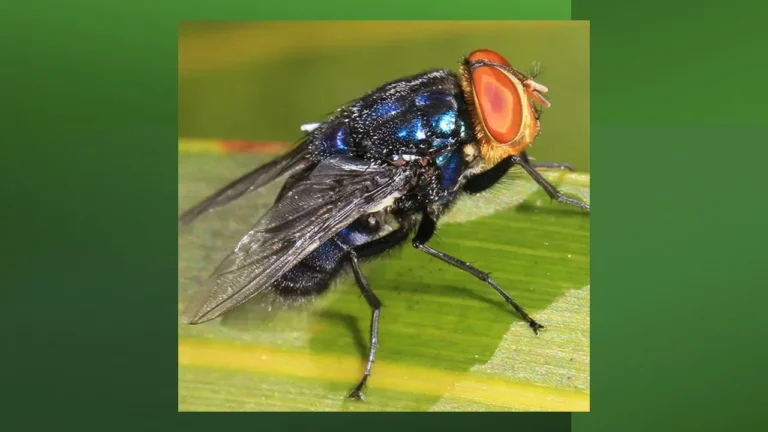
How Veterinarians Treat Screwworm Infestations in Dogs and Cats
Hearing that your pet may have a screwworm infestation can be unsettling, especially with recent reports that have brought […]

Bringing home a new kitten is always an adventure—equal parts excitement, chaos, and a whole lot of ‘how did you even get up there?’ If you’ve ever watched a kitten squeeze into a spot you didn’t even know existed, you’re not alone! Here at Richey Animal Clinic, we love helping new pet parents make their homes safe for their pint-sized explorers.
Proper kittenproofing is an essential part of preparing a new kitten’s home. Young cats are naturally curious and fearless, which means they are more likely to get into trouble if hazards are not addressed early. With the right kitten safety tips, awareness of common hazards for kittens, and a focus on creating a safe home for cats, you can give your feline companion the best possible start.
Kittens use their paws, mouths, and boundless curiosity to investigate every nook and cranny. It’s adorable—until they find something they shouldn’t! That same curiosity that makes them so lovable can also get them into a bit of trouble.
Effective kittenproofing helps:
At our Deer Park, TX, animal hospital, we often see preventable injuries in young pets. Taking the time to prepare your home can make a big difference in your kitten’s safety.
Before your kitten sets paws in your home, try to see things from their point of view. That rubber band on the floor? To you, it’s nothing. To your kitten, it’s the world’s best toy (and possibly a snack).
Common hazards for kittens include:
Kittens are quick, agile, and surprisingly resourceful. Identifying these risks in advance is a key part of kittenproofing.
One of the most overlooked dangers is electrical cords. Kittens often see cords as toys and may chew or bat at them.
To reduce risk:
These simple steps are important kitten safety tips that can prevent serious injury.
You’d be surprised how many everyday items can be dangerous for your kitten. Cleaning supplies, some houseplants, and even a few foods from your kitchen can spell trouble for your furry friend.
As part of your new kitten home prep, make sure to:
Creating a safe home for cats means being mindful of what your kitten can access.
While removing hazards is important, providing safe spaces for your kitten to explore and rest is equally important.
Your kitten’s environment should include:
A comfy bed, a quiet feeding spot, and a clean litter box go a long way toward helping your kitten feel right at home.
Kittens love to climb, jump, and explore high places. While this behavior is natural, it can sometimes lead to falls or injuries.
To support safe exploration:
These adjustments help reduce hazards for kittens while encouraging natural behavior.
Kittens are escape artists in training and can wiggle through spaces you’d never expect. An open door or window is practically an invitation to explore the great outdoors.
Important kitten safety tips include:
A safe home for cats includes protection from both indoor and outdoor risks.
Setting up a tidy feeding area and a clean, quiet litter box is a big part of helping your kitten settle in. After all, everyone likes a little privacy at mealtime and in the bathroom … even your kitten!
Consider:
A little routine goes a long way in helping your kitten feel safe and confident in their new home.
Even with the best kittenproofing, nothing beats a watchful eye. Keeping tabs on your kitten’s antics can help you spot trouble before it starts.
Pay attention to:
Your kitten will show you exactly where you need to make changes—just follow their lead (and maybe their paw prints).
If your kitten eats something they shouldn’t or starts acting under the weather, don’t wait; give us a call right away.
At Richey Animal Clinic, your Deer Park, TX, veterinary clinic, we understand that new pet ownership comes with questions and concerns. We do our best to offer same-day appointments when possible, so your kitten can get care quickly if needed.
PetMD discusses kittenproofing your home on its site. Arm & Hammer also offers some tips and tricks on making your home safe for a kitten.
Kittenproofing is the process of making your home safe for a young cat by removing hazards and creating a secure environment. It helps prevent accidents and supports healthy development.
Common hazards for kittens include cords, small objects, toxic substances, and unstable furniture. Identifying these risks is key to keeping your kitten safe.
New kitten home prep involves removing dangers, setting up feeding and litter areas, and creating safe spaces for rest and play.
A safe home for cats includes secure windows, protected cords, safe plants, and designated areas for eating, sleeping, and playing.
You should contact your veterinarian if your kitten ingests something unusual, shows signs of illness, or behaves differently than normal.
Preparing your home through proper kittenproofing is one of the best ways to give your new feline companion a safe and happy start. At Richey Animal Clinic, your Deer Park, TX, veterinary clinic, we are here to support you through every stage of pet ownership.
If you have been searching for a trusted vet near me, our team is ready to help. We are proud to be a family-operated animal hospital that treats pets and their families with care and compassion. We also work hard to accommodate same-day appointments whenever possible.
Call today to schedule an appointment and give your kitten the safe, healthy start they deserve.
This blog is for informational purposes only. Always consult your veterinarian for proper medical advice, diagnosis, or treatment plan for your pet, and follow their recommendations.
If you would like to learn more about our Deer Park, TX, animal clinic, head over to our Services page, where you’ll find detailed information about the services we offer. These include standard basics, such as Wellness, Vaccinations, and Dentistry, as well as more specialized offerings, such as Critical Care.
Hearing that your pet may have a screwworm infestation can be unsettling, especially with recent reports that have brought […]
Allergies can be tough for both pets and their families. They are quite common in dogs, unfortunately. At Richey […]
Allergies in cats are more common than many pet owners realize. While dogs often get the spotlight when it […]
Diabetes in cats is very common, especially in middle-aged and senior feline companions. While hearing that your kitty has […]
Parvovirus, often called “parvo,” is one of the most concerning diseases for both dog owners and veterinarians. This serious […]
It is one of the scariest moments as a pet owner. Something feels off with your furry friend, but […]