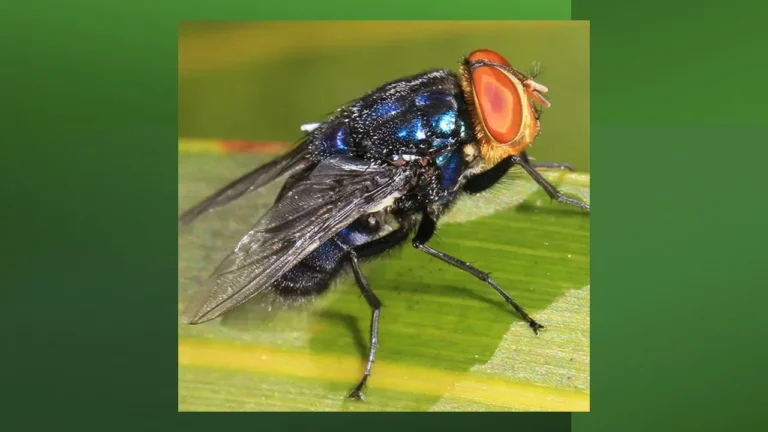
How Veterinarians Treat Screwworm Infestations in Dogs and Cats
Hearing that your pet may have a screwworm infestation can be unsettling, especially with recent reports that have brought […]

Those puppy eyes are hard to resist, aren’t they? Whether it is your pup sitting politely in the kitchen or your feline friend weaving around your legs at snack time, treats often feel like a small way to show love. At Richey Animal Clinic, your Deer Park, TX, veterinary clinic, we frequently talk with pet owners about pet treat overfeeding and how quickly those extra snacks can add up.
Treats can definitely be part of a healthy routine, but giving too many is one of the sneakiest ways pets end up packing on extra pounds. Wondering how many treats your dog should really get, how to spot the signs of overfeeding, or what makes a treat healthy in the first place? You’re not alone! These are all important questions for keeping your four-legged buddy in tip-top shape.
We all hand out treats with the best intentions, maybe to reward good behavior, celebrate a little victory, or just because your pet is giving you that look. The trouble is, those tiny rewards can turn into a big habit before you know it.
Pet treat overfeeding often happens because:
At our Deer Park, TX, animal hospital, we often see pets who are otherwise well cared for but are gaining weight from extra treats.
How many treats for dogs is actually appropriate? The answer depends on your dog’s size, activity level, and overall diet.
As a rule of paw, treats should only make up a small slice of your dog’s daily calories. Even a couple of extras here and there can add up faster than you’d think.
Your canine companion may happily accept treats all day, but that does not mean they need them.
One of the trickiest things about treats is that we rarely keep track of them. Unlike meals, treats tend to fly under the radar, and those sneaky calories can really add up.
Extra calories can lead to:
Keeping an eye on your pet’s calories helps ensure those treats don’t accidentally throw their whole diet out of balance.
It’s not always easy to spot when your pet is getting a few too many goodies. Weight gain can sneak up slowly, and the changes might be pretty subtle at first.
Common signs of overfeeding pets include:
If you notice any of these signs, it might be time to rethink the treat jar routine.
Treats might seem harmless, but too many can really take a toll on your pet’s health. Over time, all those extras can lead to some not-so-fun problems.
Potential concerns include:
Keeping treats in check is one of the easiest ways to help your pet stay healthy for the long haul.
Not all treats are created equal. Choosing healthy pet treats can help reduce some of the risks associated with overfeeding.
Look for treats that:
Even with healthy pet treats, moderation is still important.
Treats are still a great tool for training and bonding, as long as you use them with a little thought. The trick is to give them on purpose, not just out of habit.
Helpful strategies include:
These habits let you spoil your pet a little without tipping the scales: literally!
Sometimes, your pet isn’t really asking for a snack at all. They might just want a little attention, some playtime, or a good old-fashioned belly rub.
Instead of offering a treat, try:
These alternatives cut out the extra calories and still give you both a chance to bond—and have a little fun together.
Sticking to a routine is a great way to keep treat time in check and help your pet build healthy habits.
Focus on:
Finding the right balance means your pet gets all the good stuff they need—without any of the extra fluff.
If you’re not sure whether your pet’s treat stash is getting out of hand, your vet can help you figure out what’s just right for their diet and weight.
At Richey Animal Clinic, your Deer Park, TX, veterinary clinic, we work with pet owners to create realistic feeding plans that fit their daily lives. We also understand that questions can come up quickly, which is why we do our best to offer same-day appointments when possible.
The University of Cambridge wrote about Fido’s favorite thing—dog treats—in this article. Rover.com has a piece on cold dog treats here.
It depends on your dog’s size and what else they’re eating, but treats should only be a small part of their daily calories. Keeping an eye on those extras helps keep your pup in shape.
Some signs your pet might be getting too many treats include weight gain, slowing down, or difficulty feeling their ribs. If you notice these changes, it might be time to cut back on the goodies.
Absolutely! Even the healthiest treats can add up if you hand out too many. Keeping portions small is the secret.
You can cut back on treat overload by keeping portions small, saving treats for training, and swapping in playtime or extra snuggles as rewards.
Nope! Treats can still be part of your pet’s healthy routine—as long as you use them in moderation and balance them with the rest of their diet.
Managing pet treat overfeeding is one of the simplest ways to support your pet’s long-term health. At Richey Animal Clinic, your Deer Park, TX, veterinary clinic, we are here to help you build balanced routines that keep your furry friend feeling their best.
If you have been searching for a trusted vet near me, our team is ready to help. We are proud to be a family-operated animal hospital that treats pets and their families with care and compassion. We also work hard to accommodate same-day appointments whenever possible.
Call today to schedule an appointment and ensure your pet’s diet supports a happy, healthy life.
This blog is for informational purposes only. Always consult your veterinarian for proper medical advice, diagnosis, or treatment plan for your pet, and follow their recommendations.
If you would like to learn more about our Deer Park, TX, animal clinic, head over to our Services page, where you’ll find detailed information about the services we offer. These include standard basics, such as Nutrition/Weight Management, as well as more specialized offerings, like Critical Care.
Hearing that your pet may have a screwworm infestation can be unsettling, especially with recent reports that have brought […]
Allergies can be tough for both pets and their families. They are quite common in dogs, unfortunately. At Richey […]
Allergies in cats are more common than many pet owners realize. While dogs often get the spotlight when it […]
Diabetes in cats is very common, especially in middle-aged and senior feline companions. While hearing that your kitty has […]
Parvovirus, often called “parvo,” is one of the most concerning diseases for both dog owners and veterinarians. This serious […]
It is one of the scariest moments as a pet owner. Something feels off with your furry friend, but […]