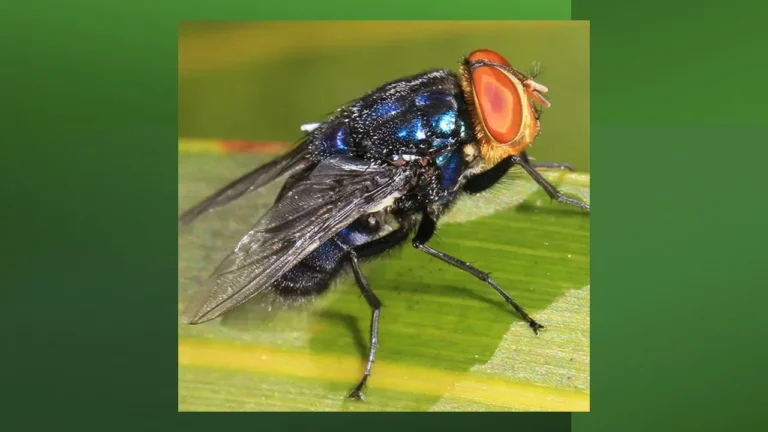
How Veterinarians Treat Screwworm Infestations in Dogs and Cats
Hearing that your pet may have a screwworm infestation can be unsettling, especially with recent reports that have brought […]

Have you ever looked at your furry friend and wondered if they might be carrying a little extra weight? You are definitely not alone. At Richey Animal Clinic, your Deer Park, TX, veterinary clinic, one of the most common concerns we hear from pet owners revolves around pet weight management. It can be surprisingly difficult to tell when a pet has crossed the line from healthy to overweight, especially when you see them every day.
Keeping your pet at a healthy weight is one of the best gifts you can give them for a long, comfy life. Wondering if your dog is a little too cuddly, or if your cat’s starting to resemble a loaf of bread? You’re not alone! Spotting the signs and picking up a few healthy habits can make a world of difference. The best part? With a few tweaks, you can help your four-legged buddy stay happy, active, and ready for their next adventure—or nap.
Helping your pet stay at a healthy weight is a big deal for their overall well-being. A few extra pounds might not seem like much, but over time, that extra fluff can put a lot of strain on your pet’s body—especially those little knees and hips.
Excess weight can contribute to:
At our Deer Park, TX, animal hospital, we often see pets whose quality of life improves dramatically with proper pet weight management. Even small changes can make a noticeable difference in how your pet feels day to day.
It’s not always easy to tell if your pup is carrying a few extra pounds. Fluffy coats, different breeds, and unique body shapes can make it tricky to judge by looks alone. Some dogs are just built for snuggles!
If you are asking yourself, “is my dog overweight,” here are a few signs to watch for:
These signs can indicate that your dog may benefit from improved pet weight management habits.
Cats are even sneakier when it comes to hiding extra pounds. After all, your feline overlord probably spends most of the day perfecting the art of lounging, so it’s easy to miss those subtle changes.
Common cat obesity signs include:
Because cats are less expressive, subtle changes can go unnoticed. Paying attention to these details is key to early intervention.
A few extra pounds don’t just change your pet’s silhouette: they can slow down playtime, make walks less fun, and even put a damper on those epic zoomies.
You may notice:
These changes can reduce your pet’s quality of life. With the right weight management plan, many of these issues improve over time.
Helping your pet maintain a healthy weight does not require drastic changes. Simple, consistent habits are often most effective.
Some practical healthy pet weight tips include:
These small adjustments create lasting results without overwhelming your routine.
If your pet is already overweight, the goal is gradual, steady improvement. A thoughtful pet weight loss plan focuses on balance rather than restriction.
Your plan may include:
At Richey Animal Clinic, your Deer Park, TX, veterinary clinic, we work with pet owners to create plans that fit real-life schedules. We understand that every household is different, and your approach should reflect that.
Physical activity is a key part of pet weight management. It helps burn calories, improve mobility, and boost overall mood.
For dogs:
For cats:
Small increases in activity can help your furry pal stay healthier.
Many weight-related issues stem from feeding habits. It is easy to overfeed, especially when pets seem hungry.
Helpful adjustments include:
Your veterinarian can help determine the right portion sizes and feeding schedule for your pet.
If you are unsure about your pet’s weight or how to manage it, it is always a good idea to consult your vet. Professional guidance can help you avoid guesswork and create a plan that works.
At Richey Animal Clinic, your Deer Park, TX, veterinary clinic, we take the time to evaluate your pet’s body condition and provide personalized recommendations. We also do our best to offer same-day appointments when possible so that you can get answers quickly.
PetMD has a very informative article about obesity in cats and a companion piece on obesity in dogs.
You can tell if your pet is overweight by checking their body shape and feeling for their ribs. If ribs are difficult to feel or your pet has a rounded body, consult your veterinarian.
Common signs include reduced activity, difficulty grooming, and a rounded body shape. These changes may indicate that your cat needs improved weight management.
Focus on portion control, increased activity, and consistent feeding routines. A gradual approach is safer and more effective than sudden changes.
Regular check-ins help track progress. Your veterinary clinic can help monitor your pet’s weight and adjust their plan as needed.
Yes, healthy weight loss can improve your pet’s mobility, energy levels, and overall quality of life.
Supporting your pet through proper pet weight management is one of the best ways to improve their long-term health and happiness. At Richey Animal Clinic, your Deer Park, TX, veterinary clinic, we are here to guide you every step of the way.
If you have been searching for a dependable vet near me, our team is ready to help. We are proud to be a family-operated animal hospital that treats pets and their families with care and compassion. We also work hard to offer same-day appointments whenever possible.
Call today to schedule an appointment and help your furry friend stay active, comfortable, and healthy.
This blog is for informational purposes only. Always consult your veterinarian for proper medical advice, diagnosis, or treatment plan for your pet, and follow their recommendations.
If you would like to learn more about our Deer Park, TX, animal clinic, head over to our Services page, where you’ll find detailed information about the services we offer. These include standard basics, such as Wellness and Vaccinations, and Nutrition/Weight Management, as well as more specialized offerings, like Critical Care.
Hearing that your pet may have a screwworm infestation can be unsettling, especially with recent reports that have brought […]
Allergies can be tough for both pets and their families. They are quite common in dogs, unfortunately. At Richey […]
Allergies in cats are more common than many pet owners realize. While dogs often get the spotlight when it […]
Diabetes in cats is very common, especially in middle-aged and senior feline companions. While hearing that your kitty has […]
Parvovirus, often called “parvo,” is one of the most concerning diseases for both dog owners and veterinarians. This serious […]
It is one of the scariest moments as a pet owner. Something feels off with your furry friend, but […]