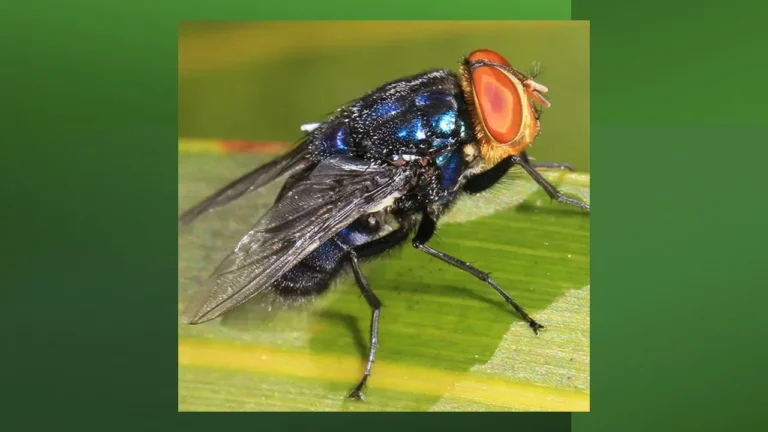
How Veterinarians Treat Screwworm Infestations in Dogs and Cats
Hearing that your pet may have a screwworm infestation can be unsettling, especially with recent reports that have brought […]

At Richey Animal Clinic in Pasadena, TX, we meet lots of loving pet parents who want to give their furry pals the best life possible. One of the most important (and easiest) ways to do that? Keeping up with vaccines. Whether you’re raising a bouncy new pup or keeping an older cat healthy, vaccinations are a key part of lifelong care.
Here’s what every pet owner should know about vaccines—and how they help keep your four-legged friend protected.
Vaccines protect your dog or cat from serious, even deadly diseases. Some of these illnesses—like rabies and distemper—are still very much around in Texas, especially with our warm climate and active wildlife.
Vaccines work by teaching your pet’s immune system to recognize and fight off viruses and bacteria. It’s like giving your pet a built-in defense system before they even come into contact with anything harmful.
Core vaccines are considered essential for all dogs and cats. These protect against:
Vaccinating means peace of mind. Your furry pal doesn’t have to suffer from diseases that are easily preventable!
At our veterinary clinic in Pasadena, TX, we generally follow the optimal schedules.
Puppies:
Kittens:
After the initial series, adult pets need regular booster shots to maintain immunity. Most core vaccines are boosted every 1 to 3 years.
Your vet will recommend a personalized schedule based on your pet’s age, lifestyle, and health.
In Texas, rabies vaccinations are required by law for all cats and dogs. This is usually given around 12–16 weeks of age and must be updated every one to three years, depending on the vaccine used.
Local pet ordinances may also require proof of rabies vaccination status for pet licensing. We keep detailed vaccine records at our Pasadena, TX vet clinic so your documentation is always up to date.
Most pets feel just fine after a shot. Some may be a little sleepy or have minor soreness at the injection site—kind of like how humans feel after a flu shot.
Call us if your pet experiences:
These reactions are rare, but we’re here to help if they happen. If you do notice any of those symptoms, contact your vet or an urgent veterinary care clinic right away.
Even indoor cats need core vaccines like rabies and FVRCP. They can still be exposed to viruses brought in on shoes or through open windows.
Yes. Senior pets may need less frequent boosters, but they still benefit from protection—especially against rabies and distemper.
It depends on your pet’s lifestyle. If your dog goes to daycare or your cat roams outdoors, your vet may recommend extras like Bordetella or feline leukemia.
Vaccinations are an easy way to prevent serious health problems. Don’t wait for illness to strike. Our team at Richey Animal Clinic is here to help keep your furry family healthy and happy. Call us anytime. You can also visit our website here to learn more about our services and clinic.
If you’re looking for a great vet in the Pasadena, TX area, try searching “great veterinarian near me”… or just call us!
This blog is meant to be informational only. Always consult with your veterinarian regarding your pet’s health and care.
Hearing that your pet may have a screwworm infestation can be unsettling, especially with recent reports that have brought […]
Allergies can be tough for both pets and their families. They are quite common in dogs, unfortunately. At Richey […]
Allergies in cats are more common than many pet owners realize. While dogs often get the spotlight when it […]
Diabetes in cats is very common, especially in middle-aged and senior feline companions. While hearing that your kitty has […]
Parvovirus, often called “parvo,” is one of the most concerning diseases for both dog owners and veterinarians. This serious […]
It is one of the scariest moments as a pet owner. Something feels off with your furry friend, but […]