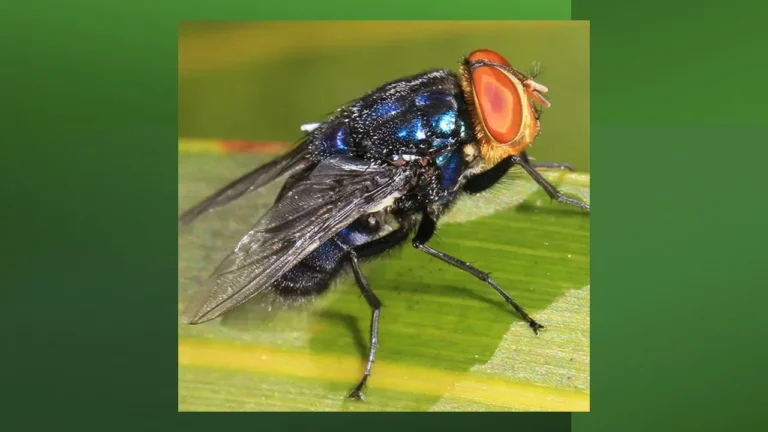
How Veterinarians Treat Screwworm Infestations in Dogs and Cats
Hearing that your pet may have a screwworm infestation can be unsettling, especially with recent reports that have brought […]

Here at Richey Animal Clinic, we’re committed to helping pets and their people stay happy, healthy, and heartworm-free. If you live in Pasadena, TX and have been searching for a “vet near me” to keep your dog or cat protected, you’ve come to the right place. Heartworm prevention is one of the most important—and often overlooked—aspects of pet health care.
Heartworm disease is a potentially fatal condition caused by parasitic worms that live in the heart, lungs, and associated blood vessels. While it’s most commonly diagnosed in dogs, cats can suffer too. But the good news? It’s nearly 100% preventable with proper year-round care.
Heartworm disease is caused by a parasite called Dirofilaria immitis, which is transmitted through the bite of an infected mosquito. Once bitten, the larvae travel through the bloodstream and settle in the heart and lungs, where they grow into adult worms—some up to 12 inches long!
Over time, heartworms cause serious damage to a pet’s cardiovascular and respiratory systems. Without treatment, the condition can be fatal. That’s why monthly heartworm meds and regular testing are crucial, especially in warm, humid climates where mosquitoes thrive.
Dogs are natural hosts for heartworms, which means the parasites can live and reproduce inside them. Early stages often show no signs, but as the infestation grows, symptoms include:
If your canine companion is showing any of these signs, call Richey Animal Clinic right away. The earlier heartworm is diagnosed, the better the chance of recovery.
Cats can also get heartworm disease, though they’re considered “atypical” hosts. The worms don’t usually mature fully in cats, but their presence still causes inflammation and respiratory issues. Diagnosing heartworm in cats is more challenging because:
Common signs in cats include coughing, vomiting, weight loss, and sudden collapse. Even indoor-only cats are at risk, as mosquitoes can easily find their way inside.
At Richey Animal Clinic, we recommend heartworm testing at least once a year for dogs and as needed for cats. Testing is quick and simple—usually a blood test that checks for heartworm proteins or antibodies.
If your dog has missed a dose or you’re unsure of their prevention history, testing is even more important. Giving monthly heartworm meds without testing first could lead to dangerous complications if an infection is already present.
Heartworm prevention is easy, effective, and available in a variety of forms:
These medications kill the immature larvae before they reach the heart. They must be given consistently each month to remain effective. Missing even one dose can leave your pup or kitty vulnerable to infection.
In addition to preventing heartworms, many of these medications also protect against intestinal parasites like roundworms and hookworms—an added bonus!
It only takes a single mosquito bite to transmit heartworm larvae to your pet. That’s why prevention must be year-round—even during colder months when mosquitoes are less active.
Heartworm treatment is complicated, lengthy, and risky—especially for dogs with advanced disease. Treatment typically includes:
Cats, unfortunately, do not have an approved treatment for heartworm disease. Instead, management focuses on supportive care and symptom control, which makes prevention all the more critical.
Yes! Mosquitoes can easily get indoors. All pets, regardless of lifestyle, should be on prevention.
Yes. Testing ensures the prevention is working and catches any rare breakthrough infections.
Not without consulting your vet. A test may be needed first to rule out infection.
No. Heartworms require a mosquito to transmit. They cannot spread directly between pets or humans.
Treatment for dogs can take several months and includes restricted activity during recovery.
At Richey Animal Clinic, we’re here to help keep your pets safe from preventable diseases like heartworm. Whether you’re looking for monthly heartworm meds, testing, or just advice, our compassionate veterinary team in Pasadena, TX is here to help. Searching for a reliable vet near me? Schedule an appointment today and protect your furry friend year-round.
This blog is meant for informational purposes only. Always consult with your veterinarian about heartworm prevention and treatment options for your pet.
Hearing that your pet may have a screwworm infestation can be unsettling, especially with recent reports that have brought […]
Allergies can be tough for both pets and their families. They are quite common in dogs, unfortunately. At Richey […]
Allergies in cats are more common than many pet owners realize. While dogs often get the spotlight when it […]
Diabetes in cats is very common, especially in middle-aged and senior feline companions. While hearing that your kitty has […]
Parvovirus, often called “parvo,” is one of the most concerning diseases for both dog owners and veterinarians. This serious […]
It is one of the scariest moments as a pet owner. Something feels off with your furry friend, but […]