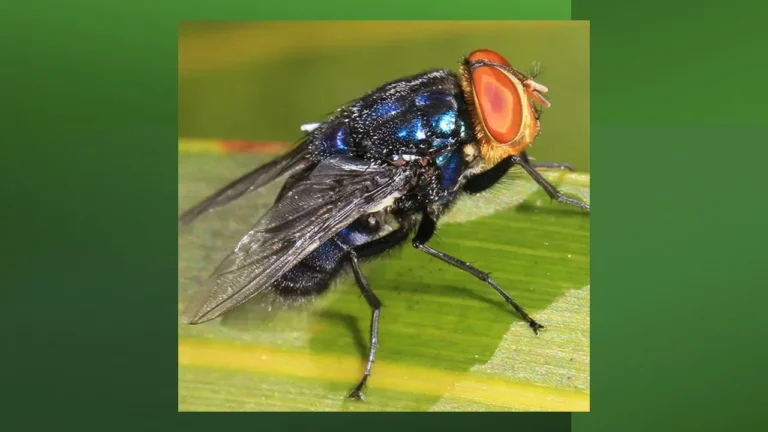
How Veterinarians Treat Screwworm Infestations in Dogs and Cats
Hearing that your pet may have a screwworm infestation can be unsettling, especially with recent reports that have brought […]

If your dog could talk, she’d probably have a few things to say about vet visits, bath time, and why squirrels are clearly up to no good. What she can’t tell you is when something serious is developing internally. For female dogs, one of the most dangerous hidden conditions is pyometra, a life-threatening uterine infection that can appear with little warning. At Richey Animal Clinic in Deer Park, TX, we want pet owners to feel confident recognizing early signs of trouble, because quick action can make all the difference for your four-legged friend.
One condition we always want pet owners to be aware of is pyometra in dogs. This is a serious and potentially life-threatening uterine infection that affects unspayed females. At Richey Animal Clinic in Deer Park, TX, we see how quickly this condition can develop and how important early recognition is. Knowing the signs and acting promptly can make a critical difference in your dog’s outcome.
Pyometra is a severe bacterial infection that causes the uterus to fill with pus, fluid, and harmful toxins. The condition develops specifically in unspayed female dogs. Most cases happen a few weeks after a heat cycle.
After your dog goes through a heat cycle, her body naturally prepares the uterus for a possible pregnancy. If pregnancy does not happen, those hormonal effects do not immediately disappear. Over time, those cycles can cause changes. Some dogs will develop cysts, which then secrete fluid. This creates an environment that bacteria love. At the same time, the uterus is not as effective at defending itself against infection. This allows bacteria to multiply quickly.
As the infection worsens, harmful toxins can enter the bloodstream. This is extremely dangerous. That infection can put extra stress on your pet’s vital organs, such as the kidneys and liver. Without prompt treatment, this condition can escalate rapidly and can quickly become life-threatening.
Pyometra is closely linked to repeated hormonal cycles. Each heat cycle causes the uterine lining to thicken. Over time, these changes can lead to the formation of cysts and fluid buildup inside the uterus.
Bacteria, specifically E. coli, can enter the uterus during or after a heat cycle when the cervix is slightly open. Once inside, the bacteria multiply rapidly.
Risk factors include:
It’s important to realize that younger dogs are not completely out of harm’s way with this one. We occasionally diagnose pyometra in younger pets, which is why awareness matters at every age.
There are two forms of pyometra. The difference comes down to whether the cervix is open.
In open pyometra, the cervix remains open, allowing infected material to drain.
Signs of pyometra in dogs with this form may include:
Because discharge is visible, this form is often caught earlier.
A closed pyometra is more dangerous because the infection is trapped within the uterus.
Symptoms of uterine infection in dogs with closed pyometra may include:
This form can worsen very quickly. While both types require immediate veterinary attention, the closed type poses a higher immediate risk, because the infection isn’t being released through that discharge. Contact your vet if you notice any signs of pyometra.
Pyometra usually develops between 2 and 8 weeks after a heat cycle. Many owners do not expect problems during this time, which can make it easier to miss early warning signs.
If your dog recently went into heat and now seems off, even just a waylittle, it is worth having her checked.
Early symptoms can be subtle, but they often progress quickly.
Some of the most common signs of pyometra in dogs include:
These signs can overlap with other conditions, which is why prompt veterinary evaluation is so important.
Pyometra is a life-threatening emergency, so it is definitely not something you want to wait and address during a normal appointment. Time is of the essence. As the infection spreads, toxins can damage the kidneys and other organs.
In severe cases, the uterus can rupture. This is extremely dangerous and requires immediate intervention.
If you suspect pyometra, seek emergency veterinary care for dogs right away. Acting quickly can significantly improve your dog’s chances of recovery.
At Richey Animal Clinic, diagnosis typically includes:
These tools allow us to confirm the diagnosis and assess the extent of the condition. While every case is treated on a case-by-case basis, pyometra always necessitates urgent care.
The most common and effective treatment for pyometra in dogs is surgery to remove the uterus and ovaries. This is also why the risk is higher in unspayed pups. The uterus is often removed during spay procedures, eliminating the chance of pyometra developing.
Ovariohysterectomy removes the uterus, thereby also removing the source of infection.
Benefits include:
Although this procedure carries more risk than a routine spay, it is far safer than delaying treatment. It’s also a great way to promote good animal welfare!
In limited cases, medical management may be considered. This involves medications to treat infection and encourage the uterus to empty.
However:
For most pets, surgery is the preferred option.
With early treatment, many dogs recover well from pyometra. You may notice improvements in your dog’s energy and appetite within a few days after treatment.
Recovery typically includes:
The sooner treatment begins, the better the outcome.
Yes. Pyometra is preventable through spaying.
Spaying removes the uterus and ovaries, eliminating the risk of this infection. It also reduces the risk of other reproductive health issues.
If you are not planning to breed your dog, spaying is one of the best decisions you can make for her long-term health.
It often develops within a few weeks after a heat cycle and can progress rapidly.
Yes, it can cause significant discomfort and illness.
No. The condition, left untreated, can be fatal. Pyometra always requires immediate veterinary treatment.
If you spot any of the symptoms we listed above, consider it an emergency. Any unusual symptoms after a heat cycle should be treated as urgent. In general, things such as fever, lethargy, limping, loss of appetite, and drastic behavioral changes should always warrant a call to the vet.
In some cases, the condition may be managed through medication. However, there are risks to going this route. Surgery is the most effective treatment in most cases.
While any unspayed female dog can develop pyometra, some breeds appear to be at higher risk. These include Golden Retrievers, Rottweilers, Bernese Mountain Dogs, and Cavalier King Charles Spaniels.
That said, breed is only one factor. The biggest risk is being unspayed and going through repeated heat cycles. Dogs of any breed, including mixed breeds, can develop this condition.
If you are concerned about pyometra in dogs or have noticed any unusual symptoms, do not wait. Richey Animal Clinic in Deer Park, TX, is here to provide prompt, compassionate veterinary care.
If you have been searching around Deer Park for a vet near me for urgent or preventive care, we are ready to help. Contact us today to schedule an appointment or discuss spaying options for your dog.
This blog is for informational purposes only and is not a substitute for professional veterinary advice. Always consult your veterinarian regarding your pet’s health and medical concerns.
To learn more, visit our Services page to see how we support pets in Deer Park, TX, and surrounding areas. We offer a full range of services, including Critical Care, Internal Medicine, and Pain Management. You can also visit our Pyometra Education Page for more information on this dangerous condition.
Hearing that your pet may have a screwworm infestation can be unsettling, especially with recent reports that have brought […]
Allergies can be tough for both pets and their families. They are quite common in dogs, unfortunately. At Richey […]
Allergies in cats are more common than many pet owners realize. While dogs often get the spotlight when it […]
Diabetes in cats is very common, especially in middle-aged and senior feline companions. While hearing that your kitty has […]
Parvovirus, often called “parvo,” is one of the most concerning diseases for both dog owners and veterinarians. This serious […]
It is one of the scariest moments as a pet owner. Something feels off with your furry friend, but […]