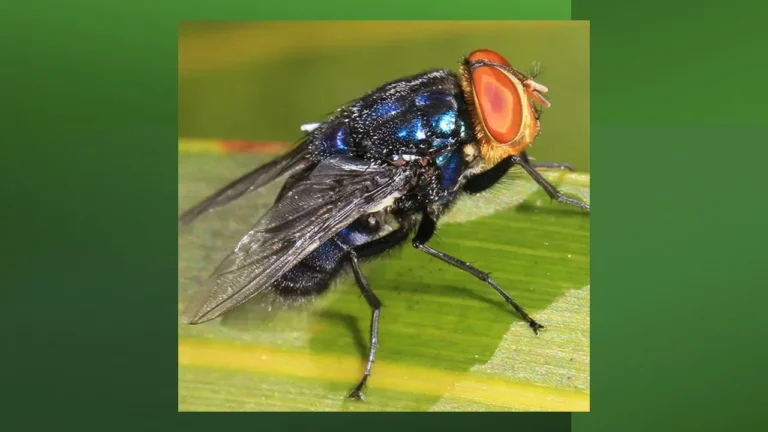
How Veterinarians Treat Screwworm Infestations in Dogs and Cats
Hearing that your pet may have a screwworm infestation can be unsettling, especially with recent reports that have brought […]

Have you ever stepped outside barefoot in the middle of a Texas afternoon and instantly regretted it? Now imagine your pup walking on that same surface with no shoes at all. At Richey Animal Clinic, your Deer Park, TX,veterinary clinic, we talk with pet owners every summer about the importance of dog paw care, especially when it comes to protecting your furry friend from extreme heat.
Texas summers can turn the pavement into a frying pan faster than you can say ‘walkies.’ It’s easy to forget just how quickly those surfaces heat up, and how easily pups can get burned. Knowing how to prevent paw burns, sticking to a summer paw care routine, and keeping an eye on your dog’s feet will help your canine companion stay comfy and ready for all the fun in the sun.
Your dog’s paw pads may look tough, but they are still sensitive to extreme temperatures. Surfaces like asphalt, concrete, and artificial turf absorb heat and can reach temperatures that are much higher than the air around them.
In Deer Park, TX, it is not unusual for pavement to become dangerously hot even when the weather feels manageable to you. This puts your dog at risk for paw injuries, which can happen faster than most pet owners expect.
Unlike humans, your canine pal cannot tell you when something is too hot. Instead, they may keep walking until damage has already started. That is why being proactive with dog paw care is so important.
It only takes a few minutes on a scorching surface for paw burns to happen. Even a quick stroll across the parking lot or sidewalk can leave your pup with sore feet.
The severity of the burn depends on:
This is why paw burn prevention strategies for dogs are critical, especially during peak heat hours. Many injuries we see at our Deer Park, TX,animal hospital could have been avoided with a simple change in timing or route.
Before heading out, it is always a good idea to test the ground. One of the easiest ways to do this is the hand test.
Just place the back of your hand on the pavement for a few seconds. If it’s too hot for you, it’s definitely too hot for your dog’s paws.
This quick check can help prevent hot pavement dog paw injuries and should become part of your daily summer routine.
Catching paw injuries early can help you avoid bigger problems down the road. Since dogs are pretty good at hiding pain, you might have to play detective and look closely.
Watch for:
These signs indicate your dog may need attention. If you notice these symptoms, it is important to contact your veterinary clinic.
One of the most effective ways to support summer paw protection for dogs is to adjust your walking schedule.
Early morning and late evening are typically the safest times, when surfaces have cooled down. Midday walks should be avoided whenever possible, especially during peak summer months.
Not all surfaces heat up the same way. When possible, choose paths that are cooler and more forgiving on your dog’s paws.
Safer options include:
Avoid long stretches of asphalt or concrete when temperatures are high. This small adjustment can significantly reduce the risk of injury.
A consistent dog paw care routine can help keep your dog’s feet healthy and resilient.
After outdoor activity, take a moment to:
These daily habits allow you to catch problems early and maintain strong, healthy paw pads.
On very hot days, it may be best to limit outdoor time altogether. Your canine companion can still stay active and engaged indoors.
Consider:
These activities help keep your furry bestie mentally and physically stimulated without exposing them to dangerous conditions.
If you suspect your dog has experienced a paw injury, it is important to seek professional care. Even mild burns can become more serious if left untreated.
At Richey Animal Clinic, your Deer Park, TX,veterinary clinic, we understand how quickly these situations can happen. We do our best to offer same-day appointments when possible, so your pet can be seen promptly and receive the care they need.
The Nashville Humane Society has a helpful piece on dog paw balm. The AKC has a great article on caring for your dog’s paws.
You can prevent burns by walking your dog during cooler times of day, testing surfaces before walking, and choosing grass or shaded areas. These simple steps help reduce the risk of injury.
Signs include limping, licking paws, redness, and blistering. These symptoms may indicate damage from hot surfaces and should be evaluated by a veterinarian.
Not always, but it can become dangerous quickly depending on temperature and sun exposure. Checking surfaces before walks is an important habit.
You should check your dog’s paws daily during hot weather, especially after outdoor activity. Regular checks help catch early signs of irritation.
Yes, but precautions are necessary. Walking during cooler hours and avoiding hot surfaces are key parts of safe summer routines.
Taking care of your dog’s paws is an important part of keeping your furry friend safe and comfortable. At Richey Animal Clinic, your Deer Park, TX,veterinary clinic, we are here to help you with every aspect of your pet’s health, including dog paw care.
If you have been searching for a trusted vet near me, our team is ready to help. We are proud to be a family-operated animal hospital that treats pets and their families with compassion. We also work hard to offer same-day appointments whenever possible.
Give us a call today to schedule an appointment and help keep your canine companion safe from preventable paw problems.
This blog is for informational purposes only. Always consult with your veterinarian for proper medical advice, diagnosis, or treatment plan for your pet, and follow their recommendations.
If you would like to learn more about our Deer Park, TX,animal clinic, head over to our Services page, where you’ll find detailed information about the services we offer. These include standard basics, such as Allergies and Dermatology, as well as more specialized offerings, like Critical Care and Pain Management.
Hearing that your pet may have a screwworm infestation can be unsettling, especially with recent reports that have brought […]
Allergies can be tough for both pets and their families. They are quite common in dogs, unfortunately. At Richey […]
Allergies in cats are more common than many pet owners realize. While dogs often get the spotlight when it […]
Diabetes in cats is very common, especially in middle-aged and senior feline companions. While hearing that your kitty has […]
Parvovirus, often called “parvo,” is one of the most concerning diseases for both dog owners and veterinarians. This serious […]
It is one of the scariest moments as a pet owner. Something feels off with your furry friend, but […]