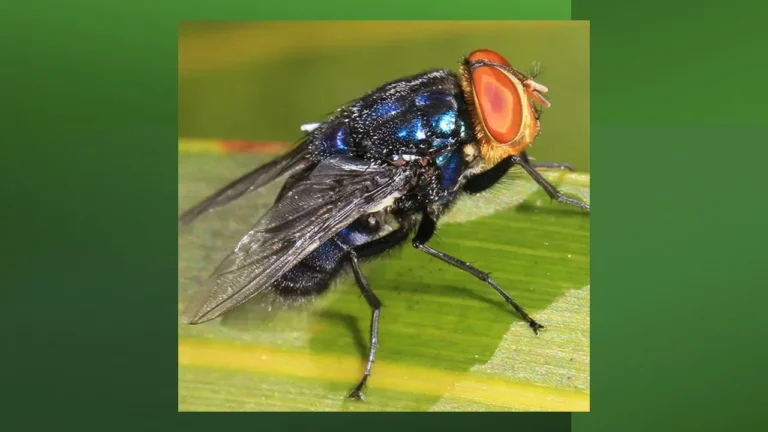
How Veterinarians Treat Screwworm Infestations in Dogs and Cats
Hearing that your pet may have a screwworm infestation can be unsettling, especially with recent reports that have brought […]

Welcoming a new pup into your home is one of life’s most joyful milestones. At Richey Animal Clinic, we love helping local families in Pasadena, TX give their puppies the healthiest, happiest start possible. Whether you’re brand-new to dog parenting or simply brushing up on best practices, our team is here with expert guidance and warm, personalized care. In this guide, we’ll walk you through what your furry bestie needs in those first few months and beyond.
Puppies grow quickly, both physically and emotionally. These early stages are essential for setting your four-legged buddy up for a lifetime of good behavior and well-being.
Knowing what’s normal at each stage helps you keep expectations realistic and training consistent.
Establishing a routine from day one will help your pup feel secure—and make your life easier too. Here’s what your new puppy care schedule might look like:
At Richey Animal Clinic, we recommend that new pet parents schedule their pup’s first vet visit within a week of adoption to get a complete wellness check and vaccinations started.
A thorough first vet visit sets the tone for lifelong health. Here’s what we typically include:
You can begin gentle training as early as 8 weeks old. The best age to start puppy training is between 8 and 16 weeks, when your pup is eager to learn and less likely to develop bad habits.
Proper socialization means safely exposing your pup to various people, pets, places, and sounds. Learning how to socialize a puppy helps prevent fear-based behavior later on.
Here are some ideas to get you started:
Always keep interactions positive and never force your canine companion into overwhelming situations. A scared pup doesn’t learn—it shuts down.
Puppies need a diet rich in calories, protein, and nutrients to fuel their rapid growth. We recommend:
And don’t forget: fresh water should be available 24/7.
Most pups need to see the vet every 3–4 weeks between 6–16 weeks of age for their vaccine series, then annually (or biannually for wellness exams).
Once your pup has had at least two rounds of vaccines (typically around 12 weeks), it’s safer to explore public areas like parks.
Yes! Crate training is an effective tool for housebreaking and provides a safe den-like space. Just be sure it’s done with patience and positive reinforcement.
Only if the other dogs are fully vaccinated, gentle, and supervised. Puppy socialization classes are a great option for controlled interactions.
Whether you’re navigating crate training or just want advice on food, we’re here for every tail wag and growing pain. At Richey Animal Clinic, we take pride in helping families from Pasadena, TX raise healthy, well-adjusted pups with expert, compassionate care.
This article is for informational purposes only and does not replace professional veterinary advice. Always consult with your veterinarian regarding your pet’s specific health need
Hearing that your pet may have a screwworm infestation can be unsettling, especially with recent reports that have brought […]
Allergies can be tough for both pets and their families. They are quite common in dogs, unfortunately. At Richey […]
Allergies in cats are more common than many pet owners realize. While dogs often get the spotlight when it […]
Diabetes in cats is very common, especially in middle-aged and senior feline companions. While hearing that your kitty has […]
Parvovirus, often called “parvo,” is one of the most concerning diseases for both dog owners and veterinarians. This serious […]
It is one of the scariest moments as a pet owner. Something feels off with your furry friend, but […]